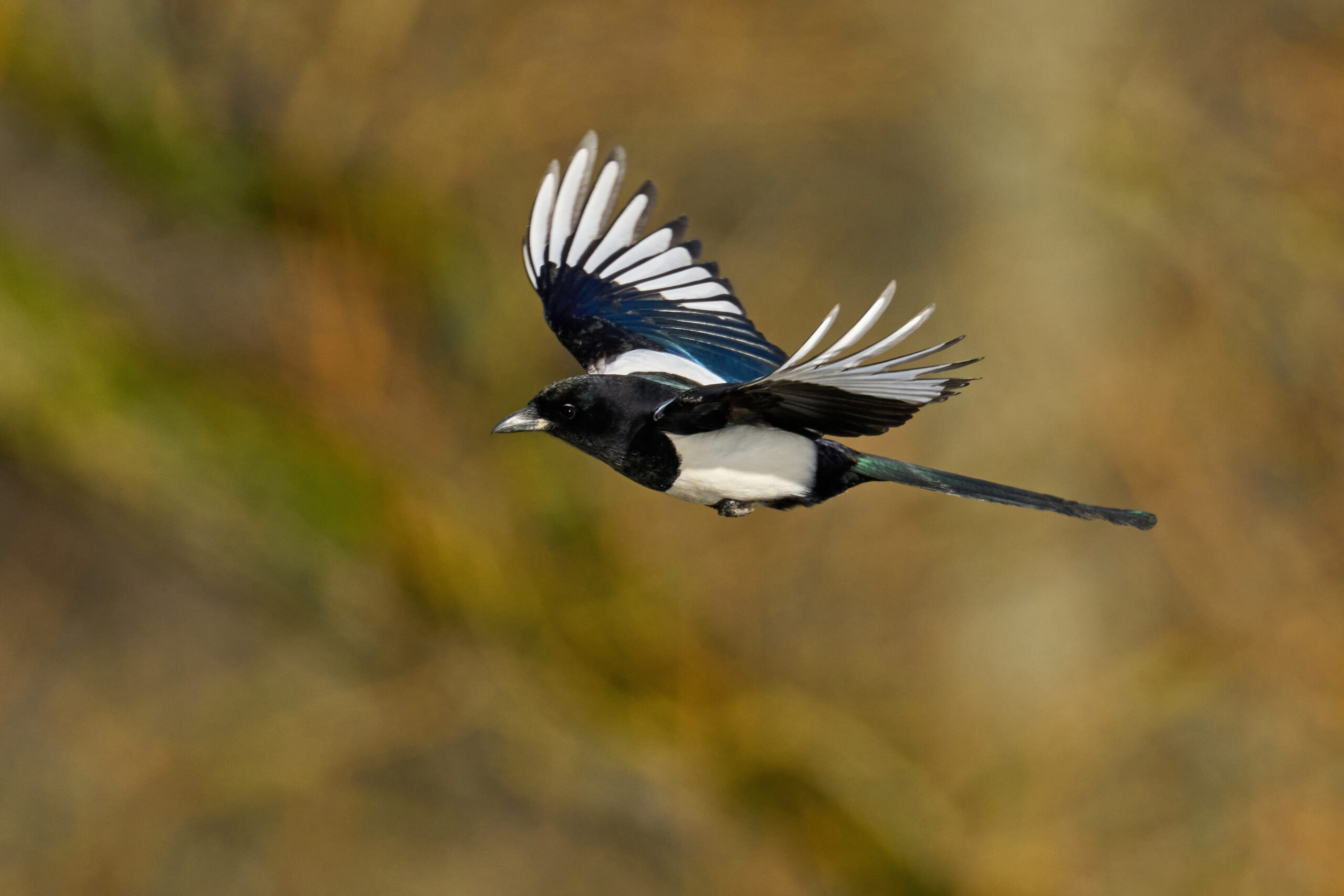
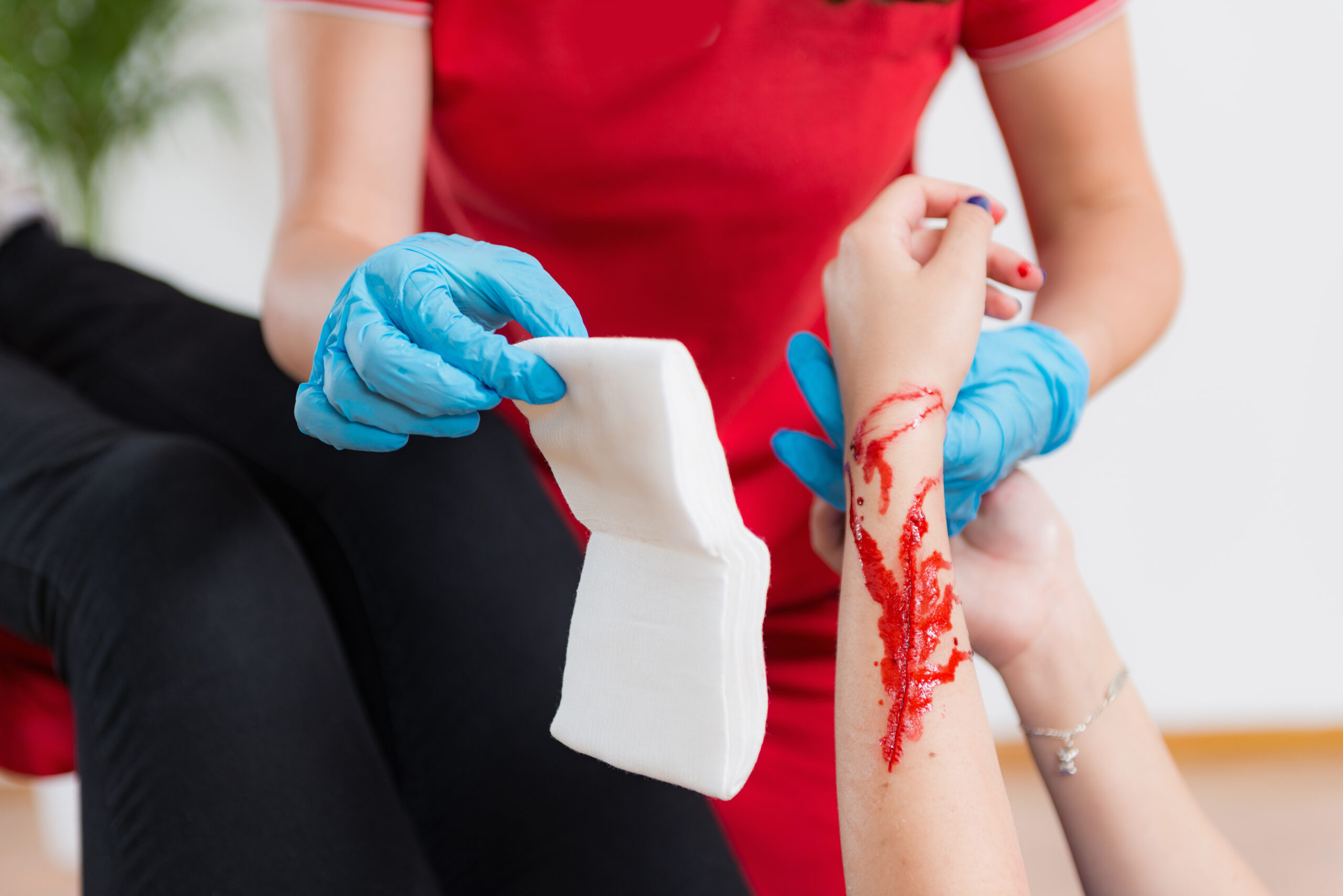
Magpie swooping injuries can include cuts, scratches, eye injuries, head injuries and falls, particularly when a person is struck or loses balance while trying to avoid a bird. In Adelaide and across South Australia, magpie swooping is most likely during the spring breeding season. If an injury occurs, move safely away from the nesting area, assess the person, control any bleeding and seek medical attention for eye injuries, head injuries, severe wounds or concerning symptoms. (Department for Environment and Water)
For many Adelaide residents, the arrival of spring means warmer days, more time outdoors and the return of a familiar sound from above. Australian magpies are a valued part of our suburban environment, but some birds become highly protective while nesting. South Australia’s Department for Environment and Water (DEW) identifies August to October as the usual magpie breeding season and advises people to take precautions around known swooping areas.
Most encounters end with nothing more than a fright. Occasionally, however, a swooping incident causes an injury. The bird may make contact with the head or face, or the person may fall while ducking, running or cycling away.
Knowing some basic first aid can make a significant difference when that happens.

Key Takeaways
- South Australian magpies typically breed between August and October, and some males may swoop while defending a nest.
- A swooping incident can cause a cut, graze or facial injury, either through direct contact or a fall.
- Eye and head injuries need particular attention and should not be dismissed because the initial incident seemed minor.
- If a magpie swoops, DEW recommends walking quickly rather than running and getting off a bicycle or skateboard before leaving the area.
- Practical first aid training can help you respond calmly to bleeding, falls, head injuries and other unexpected emergencies.

Why Do Magpies Swoop During Adelaide's Spring?
Magpie swooping is defensive behaviour, not a sign that Australian magpies are generally aggressive towards people.
During nesting season, some male magpies defend their territory and young against something they perceive as a threat. DEW says the breeding season is usually August to October, and a defensive bird may swoop from behind, sometimes striking or clipping a person’s head.
Importantly, this behaviour isn’t typical of every magpie. DEW notes that approximately 90% of male magpies don’t swoop, while females typically don’t swoop at all. Where defensive behaviour does occur, it generally lasts for a relatively short period while the nest and young are being protected.
Magpies are also not the only birds Adelaide residents may encounter. DEW lists magpie-larks, masked lapwings, noisy miners, wattlebirds and several other native birds among species known to swoop in particular circumstances.
For first aid purposes, however, the important question isn’t why the bird swooped. It is whether somebody has been injured and what needs to happen next.

How Can a Magpie Swooping Incident Cause Injury?
The obvious possibility is direct contact.
A bird may clip or strike a person’s head, and DEW recommends protecting the head and eyes in known swooping areas. Glasses, a broad-brimmed hat or an open umbrella can provide some protection. (Department for Environment and Water)
But direct contact isn’t the only way someone can be hurt.
Imagine a cyclist travelling along an Adelaide bike path when a magpie suddenly swoops from behind. The rider turns their head, swerves and comes off the bike. The magpie may never touch them, yet the resulting fall could cause grazes, bleeding, a fracture or a head injury.
A pedestrian can similarly trip while running away or ducking. A frightened child might stumble. Someone crossing a road may react without checking for traffic.
That is one reason DEW advises people not to run or fight back when swooped. Cyclists and skateboarders are advised to get off, then walk quickly away from the area.
Once someone has been hurt, first aid begins with assessing the injury rather than concentrating on the bird.

First, Get the Person Somewhere Safe
Before examining a wound, make sure you aren’t creating another accident.
Move away from the immediate swooping area if it is safe to do so. If the person has fallen on a road or bike path, you also need to consider traffic, cyclists and other hazards.
A serious fall may raise the possibility of a head, neck or spinal injury. Avoid unnecessary movement where possible, particularly if the person has concerning symptoms.
ANZCOR’s current head-injury guidance advises moving an injured person to safety while minimising movement that could worsen a spinal injury. However, getting away from immediate danger should not be delayed simply because spinal-support equipment isn’t available.
Check whether the person is responsive and breathing normally. If they are unresponsive and not breathing normally, call Triple Zero (000), send for an AED if one is available and commence CPR.
This is where practical first aid training becomes valuable. Emergencies rarely arrive in a neat form where you have time to read the instructions. A recognised first aid course with First Aid Pro Adelaide gives participants the opportunity to practise responding to real-world scenarios and build familiarity with the DRSABCD action plan before they need it.

First Aid for Cuts and Scratches
A minor scratch to the scalp, face, arm or hand may be manageable with straightforward wound care.
If the wound is bleeding, apply firm pressure with a clean dressing or cloth. ANZCOR identifies firm pressure on or around a wound as the most effective way to stop most bleeding.
Once bleeding has stopped, minor wounds can generally be cleaned with clean water or saline, gently dried around the area and covered with an appropriate non-stick dressing or adhesive strip.
Don’t assume that every wound is minor simply because it looks small.
Healthdirect recommends medical assessment for wounds that don’t stop bleeding, are near the eye, are dirty, are more than a few millimetres deep or are gaping rather than sitting neatly together. A deep wound should receive prompt professional assessment.
It is also worth checking whether tetanus vaccination is up to date, particularly when a wound is contaminated or there is uncertainty about immunisation status.
What if There Is Severe Bleeding?
A serious laceration needs a different level of response.
Apply firm, direct pressure to the wound using a pad, dressing or clean material. Keep the person as still and comfortable as circumstances allow and seek urgent medical assistance.
Call Triple Zero (000) for severe or uncontrolled bleeding. Healthdirect also advises calling an ambulance if blood is spurting from a wound or if an embedded object is present. An embedded object should not simply be pulled out; pressure should instead be applied around it.
Serious bleeding is one of those first aid situations where knowing the principle isn’t always the same as being confident enough to apply it.
Learning how to assess bleeding, apply pressure, use dressings and respond to deterioration under trainer supervision is part of the reason practical first aid education matters.

Take Eye Injuries Seriously
The eyes are particularly vulnerable during a swooping incident.
A person may be struck around the eye or face, or an injury could occur during a fall. DEW specifically recommends wearing glasses as one way of protecting the eyes when passing through a known swooping area.
If an injury involves the eye itself, don’t treat it as an ordinary scratch.
Healthdirect advises urgent care for a wound that is in the eye and recommends medical attention for wounds on the eyelid or near the eye. Serious facial injuries, including eye injuries, require medical treatment.
Avoid rubbing or pressing on an injured eye. If an object is embedded, don’t attempt to remove it yourself.
Changes in vision, significant pain, bleeding, obvious damage to the eye or an embedded object warrant prompt professional assessment.
Don't Overlook a Head Injury After a Fall
A person who falls while trying to avoid a magpie might initially be more embarrassed than concerned. That doesn’t mean the incident should automatically be dismissed.
A cyclist wearing a helmet can still sustain a head injury. So can a pedestrian who trips and strikes their head on the ground, kerb or another object.
ANZCOR states that all head injuries require assessment and that a person who has sustained a head injury should be assessed by a healthcare professional before returning to sport, work or another activity. (FirstAidPro Adelaide)
An ambulance should be called if there has been loss of consciousness, altered consciousness or other red-flag signs.
If the person becomes unresponsive and is not breathing normally, commence CPR and follow DRSABCD.
The important lesson is not to let the unusual cause of the accident distract you from the potential seriousness of the injury. Once somebody has fallen and hit their head, you are dealing with a head injury, regardless of whether it started with a magpie, a bicycle accident or a simple trip.

Cyclists Need to Be Particularly Careful
Cyclists can be vulnerable during swooping season because speed and balance introduce another hazard.
The natural reaction when something suddenly approaches your head is to duck, look around, speed up or wave it away. On a bicycle, those reactions can reduce control.
South Australian guidance is straightforward: if a magpie swoops while you’re cycling, get off the bike and walk quickly away from the area rather than trying to outride the bird. A bicycle helmet also provides valuable protection for the head.
If a cyclist does fall, assess the person rather than immediately getting them back onto the bike.
Check for bleeding, pain, possible fractures and signs that they may have struck their head. If there has been a head injury, professional assessment is recommended.
Watch Wounds During the Following Days
First aid doesn't necessarily finish when the dressing goes on. A minor wound should continue to be monitored as it heals.

How Can You Reduce the Risk of Being Swooped?
The simplest approach is avoidance.
Magpies may defend an area around their nest during breeding season. If you know a particular Adelaide street, park or cycling route contains a defensive bird, taking a temporary detour can prevent repeated encounters.
South Australian DEW guidance recommends several practical measures, including walking quickly rather than running, travelling in groups where possible, protecting your head and eyes and avoiding aggressive behaviour towards the bird. Cyclists and skateboarders should dismount before moving through the area.
Warning others can also help. DEW suggests warning signs around known swooping areas, and local councils can be informed so that signage may be installed.
Trying to strike, chase or antagonise the bird isn’t the answer. The behaviour is generally temporary and associated with protecting a nest or young.
Taking another route for several weeks is usually a much better option than turning the daily walk into a battle.
First Aid Skills Are Useful Long After Swooping Season Ends
Magpie swooping makes a good spring reminder of something broader about first aid. Emergencies are often ordinary events that suddenly become less ordinary.
A bike ride becomes a fall. A walk becomes a bleeding wound. A trip to the park becomes an eye injury. Someone strikes their head and suddenly you need to decide whether the situation is serious.
You don’t need to become a medical professional to respond effectively. You do need to recognise hazards, assess the casualty, know what you can safely manage and understand when professional medical help is required.
A recognised first aid course with First Aid Pro Adelaide provides practical training in responding to common emergencies, including wounds and bleeding, unconscious casualties, CPR and other injuries that can occur at home, at work or out in the community.
Magpies will eventually finish nesting. The first aid skills you learn will remain useful throughout the year.
Related Reading
South Australian Department for Environment and Water – Everything you need to know about magpie swooping season
Healthdirect – Wounds, cuts and grazes
Australian and New Zealand Committee on Resuscitation (ANZCOR) – Guideline 9.1.1 – First Aid for Management of Bleeding
FAQs
What injuries can a swooping magpie cause?
A person may suffer cuts, scratches or injuries around the head and face if contact occurs. Injuries can also happen indirectly if someone trips, falls from a bicycle or collides with something while trying to avoid the bird. A fall can result in grazes, bleeding, fractures or a head injury.
What should I do if a magpie scratches or cuts me?
Move to a safe location first. For a minor wound, control bleeding with firm pressure, then clean the wound with clean water or saline and cover it appropriately. Seek medical attention for deep or gaping wounds, bleeding that doesn’t stop, wounds near the eye or other concerning injuries.
What should I do if a magpie hits me in the eye?
An injury involving the eye needs prompt attention. Don’t rub or put pressure on an injured eye, and don’t attempt to remove an embedded object. Healthdirect recommends urgent care for wounds involving the eye and medical assessment for wounds around the eyelid or eye.
Should you run when a magpie swoops?
No. South Australia’s Department for Environment and Water advises people to remain calm, avoid aggressive behaviour and walk quickly away rather than running. If you’re riding a bicycle or skateboard, get off and walk through or away from the area.
When is magpie swooping season in Adelaide?
Australian magpies typically breed from August to October in South Australia. Only some birds swoop, usually while defending their nest and young, and the defensive period is relatively short. If you know where a swooping bird is nesting, temporarily changing your route can reduce the risk of an encounter.